2026-10-13 ·
Top Signs Your Washing Machine Needs Professional Repair
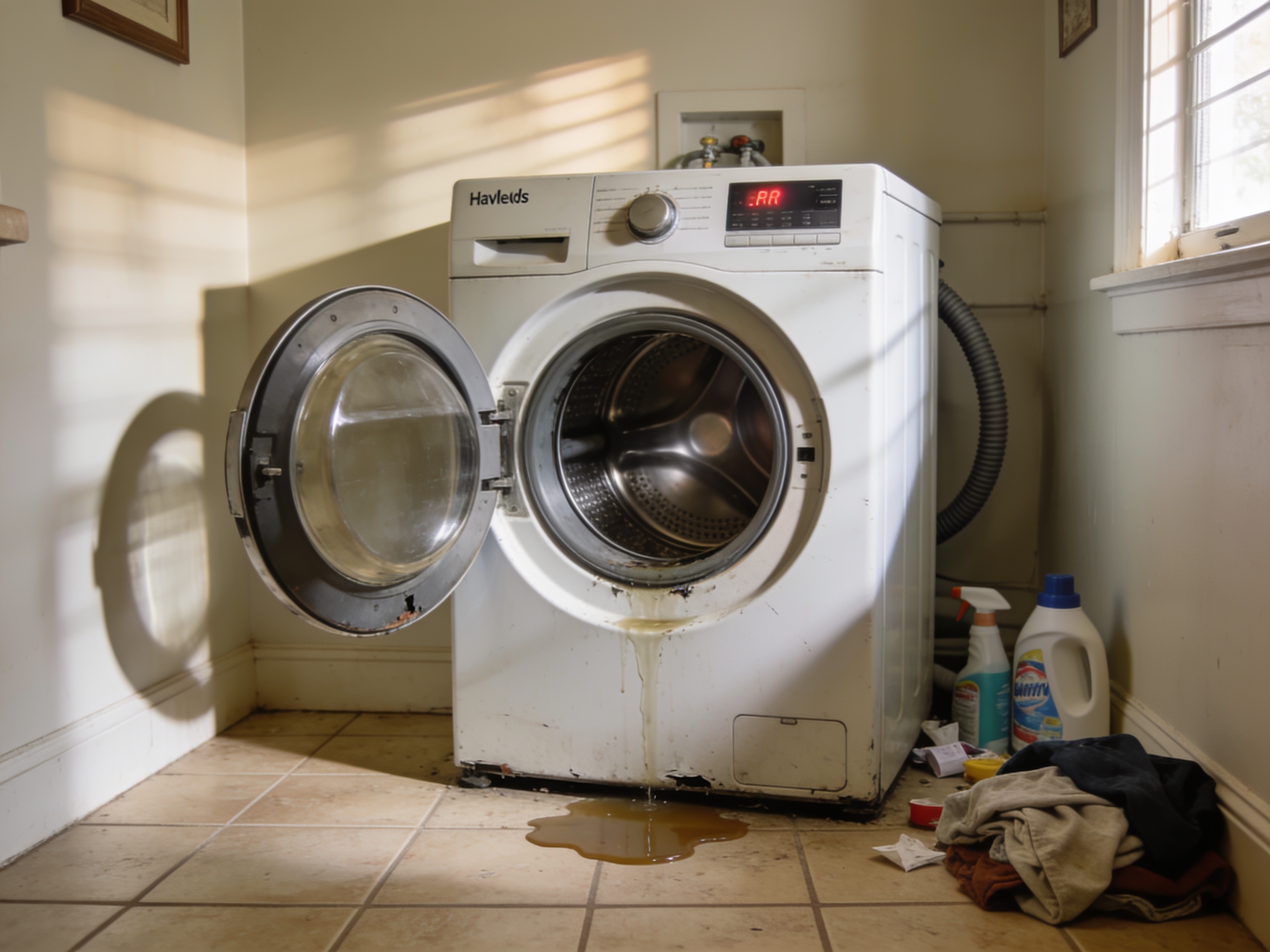
Most washing machines that need professional repair show one or more clear warning signs well before they stop working entirely. If your machine is walking across the floor, leaving water on the laundry room tile, or refusing to drain, a qualified technician is usually the right call. Typical professional washer repairs range from $150–$400 for common parts like pumps, lid switches, and door latches, while major jobs such as drum bearings or control boards often run $400–$900. Knowing which symptoms point to a repair and which point to replacement saves money and frustration.
Loud Noises, Vibration, and Walking Across the Floor
A washer that thumps, roars, or grinds during the spin cycle is usually telling you something specific. The most serious cause is a worn drum bearing or a failing suspension system, both of which are common in front-loaders and older top-loaders. Homes in Hewlett and nearby Woodmere often have laundry rooms on finished basement slabs or upper floors, and a machine that shakes there transmits noise into the rest of the house. If the washer moves more than an inch or two during a spin, stop using it heavily and have it inspected. Continued vibration can crack the drum, damage the tub, and turn a moderate repair into a replacement.
- Rhythmic grinding or squealing that continues through the rinse cycle
- Banging that starts at higher spin speeds
- The machine rocking forward when loaded unevenly
- Shoes, coins, or debris rattling in the drum
A quick check is to level the machine with a bubble level and tighten the leveling feet. If the noise persists after that, the problem is almost always internal and needs a technician.
Leaks and Water Damage Under the Machine
Water on the floor is one of the most urgent signs, and it is rarely just a loose hose. Common culprits include a cracked drain pump housing, a failed door boot seal on front-loaders, worn water inlet valves, or a split fill hose. In a Hewlett home, a leak that seeps into a basement or crawlspace can damage flooring and drywall before anyone notices, especially during the humid summer months when moisture lingers. Shut off the water supply valves behind the machine whenever you are not doing laundry, and check the hoses for bulging or cracks once a month.
Repairing a leak is often inexpensive if the fault is caught early. A new inlet valve or hose typically costs far less than the flooring replacement that follows a long, unnoticed drip. If you see water pooling in the drum after a cycle, or puddles that appear only when the machine is running, schedule service promptly rather than waiting for the leak to get worse.
Won't Drain, Won't Spin, or Shows Error Codes
A washer that stops mid-cycle with a full tub of water is frustrating, but the cause is often simpler than it looks. Clogged drain filters, kinked drain hoses, and failed drain pumps account for many of these calls. Modern machines also display error codes such as UE, OE, or dc that point to a specific sensor, motor, or control fault. Look up the code in the owner's manual before calling, because it tells a technician exactly where to start and can shorten the visit.
If the drum does not spin at all but the lights come on, the motor coupler, drive belt, or lid lock assembly is a likely suspect. Machines that run intermittently often have a failing control board or a loose wiring harness. Most of these repairs fall in the $125–$350 range, depending on the part and the model. Attempting internal repairs without the correct tools can void warranties or create safety hazards, so it is worth leaving the diagnosis to someone who can test components directly.
Burning Smells, Overheating, and Electrical Issues
Any burning odor from a washer is a signal to stop and investigate. Overheated motor windings, a scorched wiring harness, or a failing heating element can all produce a smell, and some of these faults carry a real fire risk. Unplug the machine, turn off the water, and do not run it again until it has been checked. Scorch marks around the power cord or a plug that feels hot to the touch are particularly serious.
Electrical problems deserve prompt attention because they can damage other appliances on the same circuit. If your breaker trips every time the washer enters a heat cycle, the problem may be the heating element, a shorted thermostat, or an undersized circuit. Nassau County homes built decades ago sometimes share circuits in ways that are not obvious, so a technician should verify the outlet and the dedicated circuit rather than guessing. For related guidance on keeping laundry equipment safe, see our dryer vent cleaning page, since lint buildup affects both machines.
When Repair Costs Make Replacement the Better Choice
Not every failing washer is worth fixing. A common rule of thumb is that if the repair costs more than half the price of a comparable new machine, replacement usually makes more sense, particularly when the appliance is near the end of its typical 8–12 year lifespan. Older machines also lack the energy and water efficiency of current models, which can offset some of the cost of a new purchase over time. A technician can give you an honest assessment of which path makes sense for your specific model and budget.
If you do decide to keep the machine, ask for an itemized quote before work begins and confirm which parts are included. Reputable shops in Hewlett, Lynbrook, and Valley Stream will explain the diagnosis in plain terms, show you the failed part when possible, and give you a clear recommendation. Our washing machine repair team works through these decisions with homeowners every week, and we will tell you when a repair is not worth the money.
Local Conditions That Make Washers Wear Out Faster
Hewlett's climate puts extra strain on laundry equipment. Humid summers encourage mildew inside door seals and detergent drawers, while cold winters can stiffen rubber hoses and cause supply lines in unheated garages to crack. Nor'easter storms sometimes bring power fluctuations that stress control boards, and basement laundry rooms in older Hewlett Bay Park houses can carry moisture that corrodes electrical connections over time. Keeping the door open between loads and wiping the gasket dry helps prevent odor and mold.
You can extend the life of your machine with simple habits: use the correct amount of detergent, run a cleaning cycle monthly, and avoid overloading the drum. Our guide on how to extend the lifespan of your household appliances covers these routines in more detail. Protecting the machine from surges with a quality surge protector also helps, especially in neighborhoods near the Hewlett-Woodmere Public Library where older wiring can be inconsistent.
What to Do Before a Technician Arrives
Before booking a visit, gather some basic information so the diagnosis can happen quickly. Note the brand, model number, and age of the washer, along with the exact symptoms and any error codes displayed. Photos or a short video of the noise or leak are extremely helpful, and noting whether the problem happens on every cycle or only on heavy loads can narrow the list of likely causes considerably.
If water is actively leaking, turn off the supply valves and place towels or a shallow pan beneath the machine. Unplug it if you smell burning or see sparks. KLS Co. is based at 1800 Rockaway Ave, Hewlett, NY 11557, and we are available 24/7 for urgent washer problems across Hewlett and the surrounding communities. Whether the answer is a simple part swap or a conversation about replacement, you will get a clear explanation and an honest recommendation before any work begins.